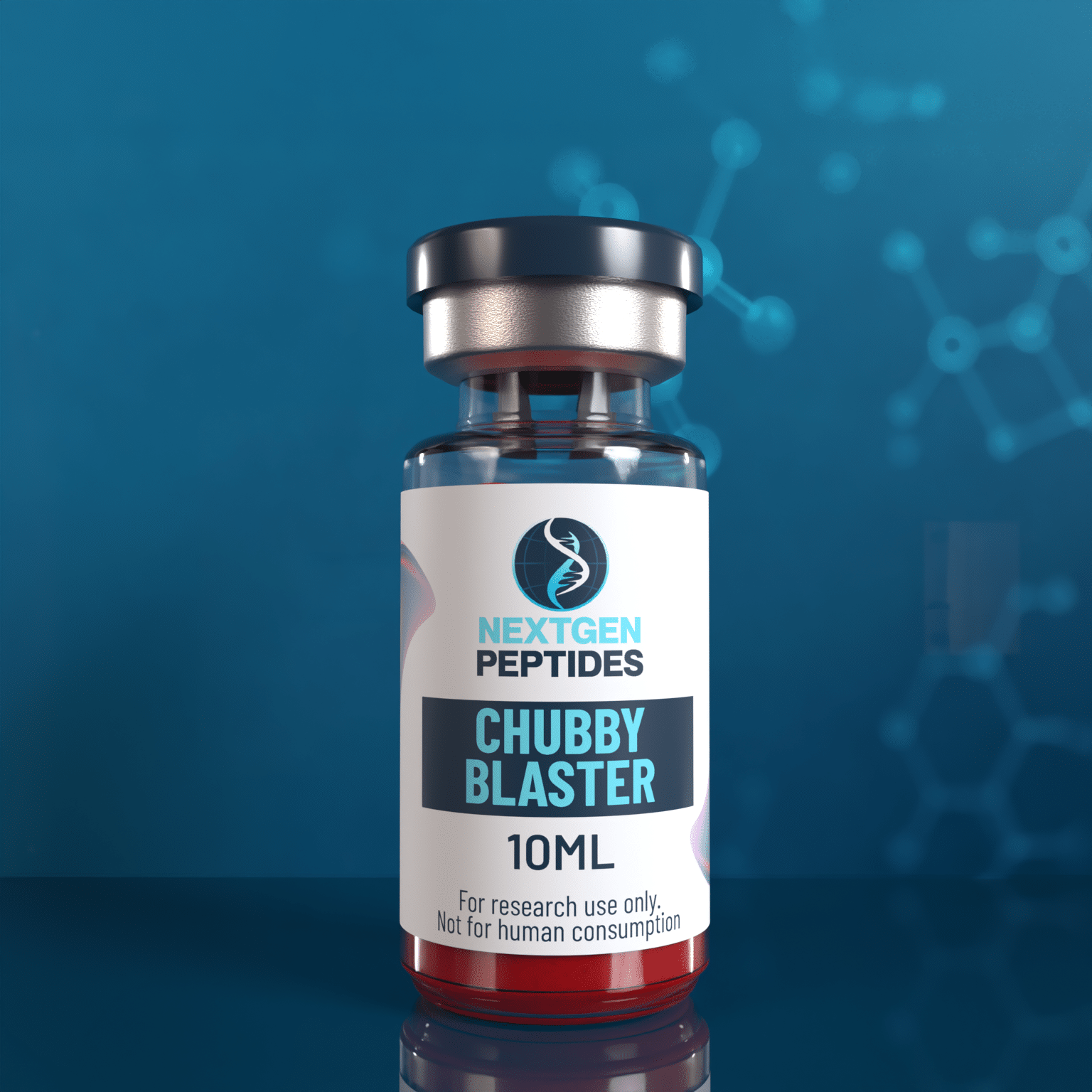

What Is FB?
Type Lipotropic & Metabolic Research Blend CAS Number Mixed (Components: 541-15-1, 63-68-3, 87-89-8, 67-48-1, 68-19-9, 58-56-0, 606-34-8) Molecular Weight Variable (Multicomponent Blend) Molecular Weight (Cu) N/A Amino Acids L-Carnitine, Methionine Sequence N/A Formula Complex Blend ( + + C_{6}H_{12}O_{6} + Others) Storage Requirements
Stability Information
High-stability metabolic reagentProtect from moisture and oxidationKeep in a light-resistant container Lyophilized (powder) -20°C · up to 2 years Reconstituted 2-8°C · up to 30 days
About FB
The FB blend is a specialized research formulation combining L-Carnitine, Methionine, Inositol, Choline, and essential B-vitamins (B12, B6) with NADH. This multi-component reagent is designed for researchers exploring the complex intersections of lipid metabolism, mitochondrial function, and cellular energy production.
Mechanism of Action
The mechanism involves a coordinated metabolic approach: L-Carnitine facilitates the transport of long-chain fatty acids into the mitochondria for oxidation. Methionine, Inositol, and Choline act as lipotropic agents to investigate lipid export and detoxification. NADH and B-vitamins serve as critical cofactors in the electron transport chain, modulating cellular energy levels and redox signaling in laboratory models.
What Research Has Shown
Metabolic Research 99 Purity Percentage (Analytical Grade) Lipid Metabolism Efficiency FB Blend Research 82.5% Control Group 14.2% Trial details: Investigative studies examining the synergistic effects of L-Carnitine and Inositol on intracellular lipid transport in animal models. Cellular Energy Results
Mitochondrial Energy Homeostasis
Findings from NADH and B-vitamin signaling investigations
82% Fatty Acid Oxidation Enhanced Mitochondrial Transport 75% Cellular Redox Balance mproved NADH Signaling Note: Results highlight the blend’s role in supporting detoxification pathways and metabolic signaling.
Research Highlights
Fatty Acid Transport Signaling
Research focusing on the role of L-Carnitine in mitochondrial lipid uptake and energy conversion.
Lipotropic Detoxification Pathways
Investigating how Methionine and Choline interact with hepatic lipid metabolic pathways in vitro.
Mitochondrial Redox Balance
Studies exploring the influence of NADH on cellular ATP production and oxidative stress management.
B-Vitamin Enzymatic Cofactors
Exploration of B12 and B6 as essential regulators in metabolic and neuroendocrine signaling investigations.
Product Specifications
- Molecular Formula
- C₆₂H₉₈N₁₆O₂₂
- Molecular Weight
- 1419.53 g/mol
- Sequence
- Gly-Glu-Pro-Pro-Pro-Gly-Lys-Pro-Ala-Asp-Asp-Ala-Gly-Leu-Val
- Purity
- ≥99% (HPLC verified)
- Form
- Lyophilized powder
- Appearance
- White to off-white powder
- Solubility
- Soluble in water, bacteriostatic water
- Storage
- -20°C (lyophilized), 2-8°C (reconstituted)
Research Studies
Synergistic Effects of Lipotropic Blends in Metabolism
A study on the interaction between amino acids and vitamins in cellular lipid signaling.
Roberts M. & Green T.J. View Full Study
Frequently Asked Questions
What is the primary research focus of the FB blend?
It is used to investigate lipotropic signaling, fatty acid transport, and the role of B-vitamins in cellular energy metabolism.
Is this product sterile or medical grade?
No, it is not sterile or pyrogen-free and is strictly intended for laboratory research and educational purposes only.
Frequently bought together: PT-141 10MG, MT-2 10MG, TB-500
Related products